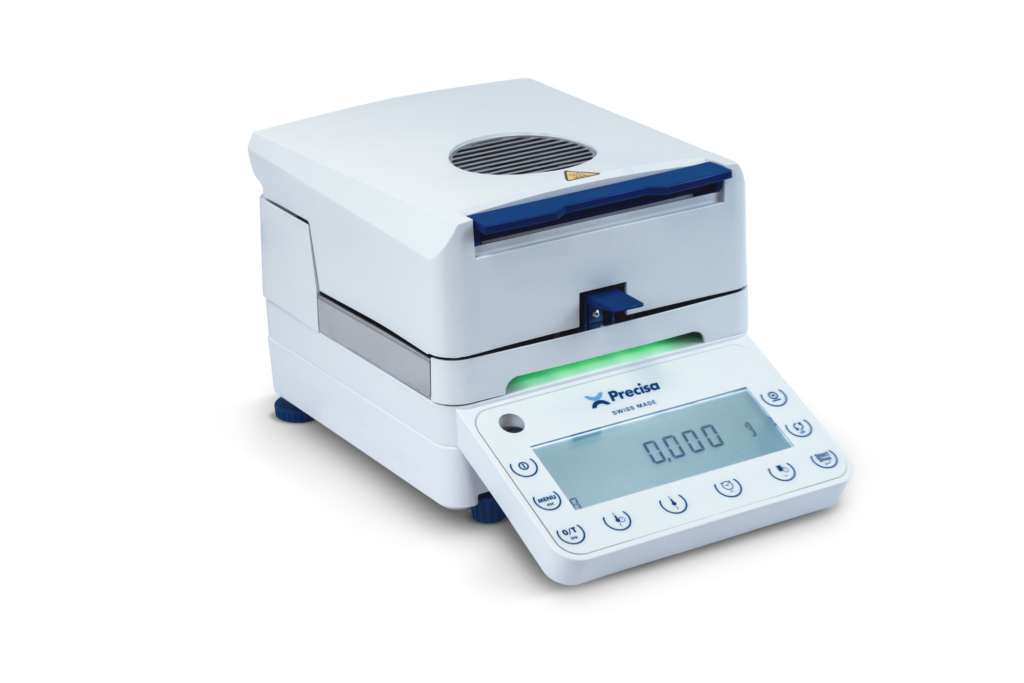
The Moisture Analyser Market is gaining traction across various industries owing to its vital role in quality control, product consistency, and compliance. However, despite its growing relevance in pharmaceuticals, food processing, agriculture, and chemicals, widespread adoption remains hindered by specific challenges. Two of the most pressing concerns are the high initial investment associated with these devices and the complexity of calibration and maintenance. These issues create barriers, particularly for small and medium-sized enterprises (SMEs) and businesses operating in emerging markets.
Modern moisture analysers come equipped with precision sensors, touchscreen interfaces, rapid testing algorithms, and integration capabilities. While these features enhance efficiency, accuracy, and speed, they also significantly raise the cost of acquisition. Prices can range from a few hundred to several thousand dollars depending on the model, application, and brand.
This capital expenditure is manageable for large-scale manufacturers or multinational corporations, but it can be prohibitive for SMEs or businesses with limited operational budgets. Many potential buyers postpone or avoid investing in moisture analysers due to these financial constraints, even when the long-term benefits are clear.
Emerging markets such as Southeast Asia, Latin America, and parts of Africa present significant growth opportunities for the moisture analyser market. However, businesses in these regions often operate under tighter budget restrictions and are highly price-sensitive. Without financial assistance programs or subsidized access to testing equipment, the adoption rate remains sluggish.
Additionally, a lack of local manufacturing facilities increases dependency on imports, further inflating costs due to taxes, logistics, and import duties. This additional burden reduces the incentive for small-scale industries to incorporate moisture measurement technologies into their processes.
Moisture analysers require calibration specific to the type of material being tested. Each material—whether powder, granule, liquid, or solid—has unique moisture absorption and retention characteristics. As a result, calibration must be done accurately to ensure precise readings.
For companies working with multiple material types or frequent product variations, repeated calibration becomes time-consuming and labor-intensive. It requires a skilled operator with a deep understanding of the instrument and the material properties. This not only reduces operational efficiency but also increases the risk of human error.
Unlike basic measurement tools, advanced moisture analysers often require trained professionals to handle calibration, maintenance, and troubleshooting. The limited availability of such skilled personnel, especially in smaller towns or rural industrial zones, further complicates the situation. Incorrect calibration can lead to inaccurate readings, causing costly product defects or regulatory violations.
Some moisture analysers, particularly those operating in harsh industrial environments or with high usage rates, need frequent recalibration. Environmental factors such as temperature, humidity, and dust can affect the device’s accuracy. Without regular calibration checks, the integrity of results can be compromised, undermining the very purpose of investing in such a tool.